- 4192 Devonwood Way, Ashburn, Virginia, 20148
- Helpline: +1 (703) 665-3747
Covid-19: The Possible Medical Strategies
- Home
- Back to Journal
- Article Details
Covid-19 is a pandemic caused by SARS-CoV-2 virus. The virus targets the Pneumocytes II in the lungs. The virus attach to ACE2 surface receptors. SARS-CoV-2 virus is +ssRNA, which means;
- It replicates its genetic material through RNA-dependent RNA polymerase
- It translates its proteins in cell ribosomes
- Newly synthesized RNA and proteins assemble and spread to new cells as the cell lysises
What Happens in the Lungs?
The infection stimulates the resident macrophages and immune cells to start a call of inflammation. This involves the secretion of important mediators; IL1b, IL6 & TNFa. Inflammation leads to increased vascular permeability.
How the Patients Die?
- Infected cells in the lungs die
- The surfactant production decreases
- Alveoli collapse
- Alveolar odema develops
All that means; respiratory failure [1]
- The call of inflammation may result in massive production of cytokines, the so called cytokine storm, which leads to kidney failure, lung failure.....
Multi-Organ Failure [2]
Diagnosis
- Clinical; fever, dry cough, sore throat, shortness of breath
- CT thorax (Figure 1)
- Throat swab and PCR or genetic sequancing
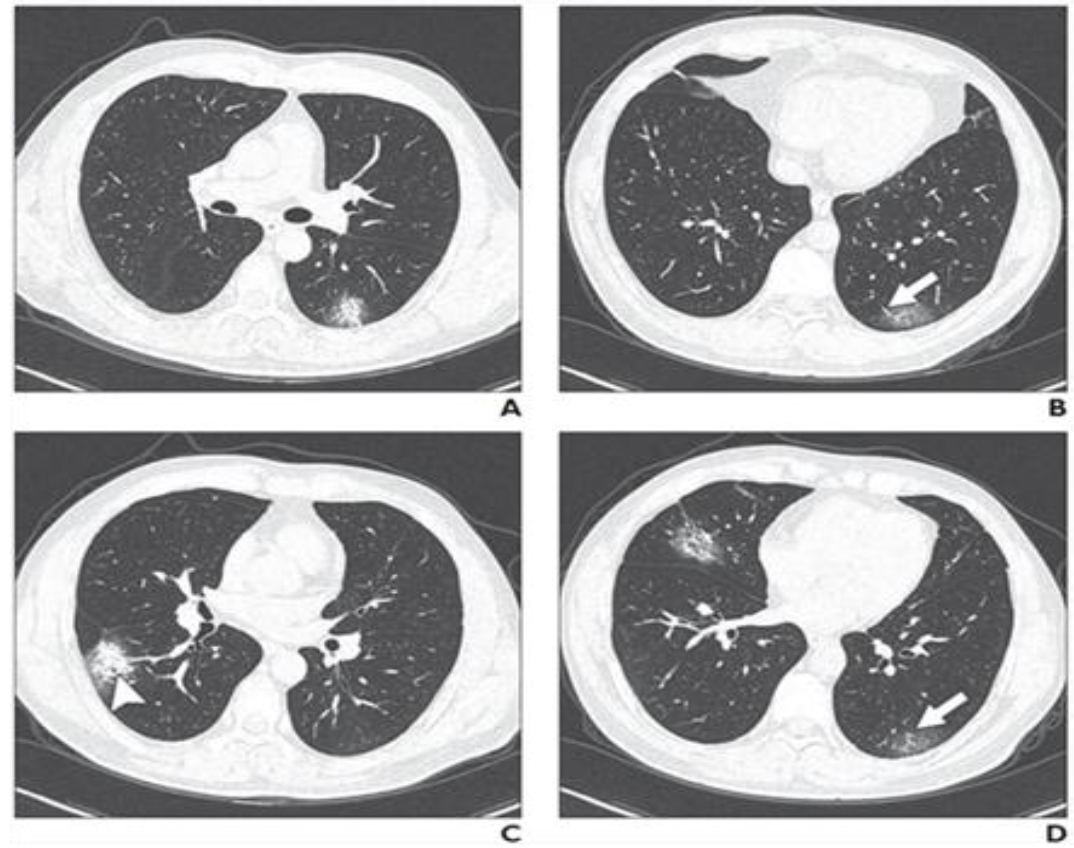
Figure 1: Some possible CT findings in Covid-19 lung infection.
Source: Wei Zhao et al, American Journal of Roentgenology: 1–6. 10.2214/AJR.20.22976
Translational Pathophysiology
- SARS-CoV-2 infects its target cells through the attachment to cell surface receptor enzyme molecules, ACE2.
- ACE2 – Ang1-7 and ACE2 – Ang1-9 are 2 axises that play various roles in tissue protection. (Figure 2)
- The virus attachment to the receptor blocks its protective roles, aggregating tissue damage.
- Some important drugs that are widely used in our current medical practice, such as ibuprofen and Angiotensin Receptor Blockers (ARBs), up regulates ACE2 expression, which might favor Covid-19 infection!!
Journal of Molecular and Cellular Cardiology 2016; 97: 180-190
Journal of Hypertension. 38(5):781-782
Possible strategies
Prevention is the best strategy
- Proper hygien
- Social distancing
- Frequent hand washing
- Staying home
Blocking Viral Replication
- There are some durgs that can block the RNA viral replication.
- Those drugs are safe & approved for treatment of other viral infections, such as the relative corona viruses, MERS and or HIV.
- Clinical trials are conducted to test the efficacy of those drugs against SARS-CoV-2.
- Remdesivir & Ciclesonide are examples
Support against Respiratory Failure
- In the intensive care, the critically ill patients are supported with mechanical ventilation.
- The aim is to maintain the necessary oxygenation
- CPAP machines could help in case of ventilators shortage
Immunity Modulation
- Active immunization
- Thanks to the scientific efforts, the antigenic epitopes of the SARS-CoV-2 are being identified.
- The genomic similarities between SARS-CoV-2 and SARS-CoV reach 76.5%.
- mRNA vaccine is thus under development and clinical validation
- Passive immunization
- Not all infected persons die or even develop critical illness.
- Age, comorbidities, lung health, smoking, the amplitude of the immune reaction, and other factors, May determin the clinical outcome.
- Recovered patients develop antibodies and immunity against the SARS-CoV-2, which could be transferred to critically ill patients.
- Cytokine storm modulation
CD24Fc
- Is a biological immunomodulator
- Phase I clinical trial demonstrated its safety and ability to attenuate the expression of multiple inflammatory cytokines.
- Phase II clinical trial in patients of hematopoietic stem cell transplantation demonstrated its ability to attenuate severe (Grade 3-4) acute graft vs host disease (GVHD), in which the transplanted T cells attack the recipient target tissues.
- Currently Phase II/III trials are being conducted for potential covid-19 application
ClinicalTrials.gov Identifier: NCT04317040
- Mesenchymal Stem Cells
- Have proved ability to modulate the adverse immune response and inflammation
- Have proved clinical safety in early phases of clinical trials
- Still in trials to prove their benefits in covid-19 cases
ClinicalTrials.gov Identifier: NCT04313322
- Hydroxychloroquine
- Is a drug used to treat malaria, lupus erythematous and rheumatoid arthritis?
- It can attenuate inflammation through interfering with the antigen processing & presentation, which is necessary to stimulate CD4+ T cells, thus, it can be used as an immunity modulator to protect against the cytokine storm.
Semin Arthritis Rheum. 1993 Oct;23(2 Suppl 1):82-91
- Moreover, a possible antiviral activity against SARS-CoV-2 has been reported.
Cell Discovery 2020; 6: 16
- Clinical trials are being conducted for potential covid-19 application.
ClinicalTrials.gov Identifier: NCT04307693
- ACE2 related strategies
- SARS-CoV-2 infects its target cells through attaching to the cell surface ACE2.
- ACE2 contributes to the attenuation of cytokine release.
Curr Drug Targets. 2017;18(11):1301-1313
- Treatment using rh-ACE2 may exert dual functions:
- Slow down the viral entry into target cells and hence the viral spread
- Protect the lung from injury (Figure 2)
Intensive Care Med 2020; 46: 586–590
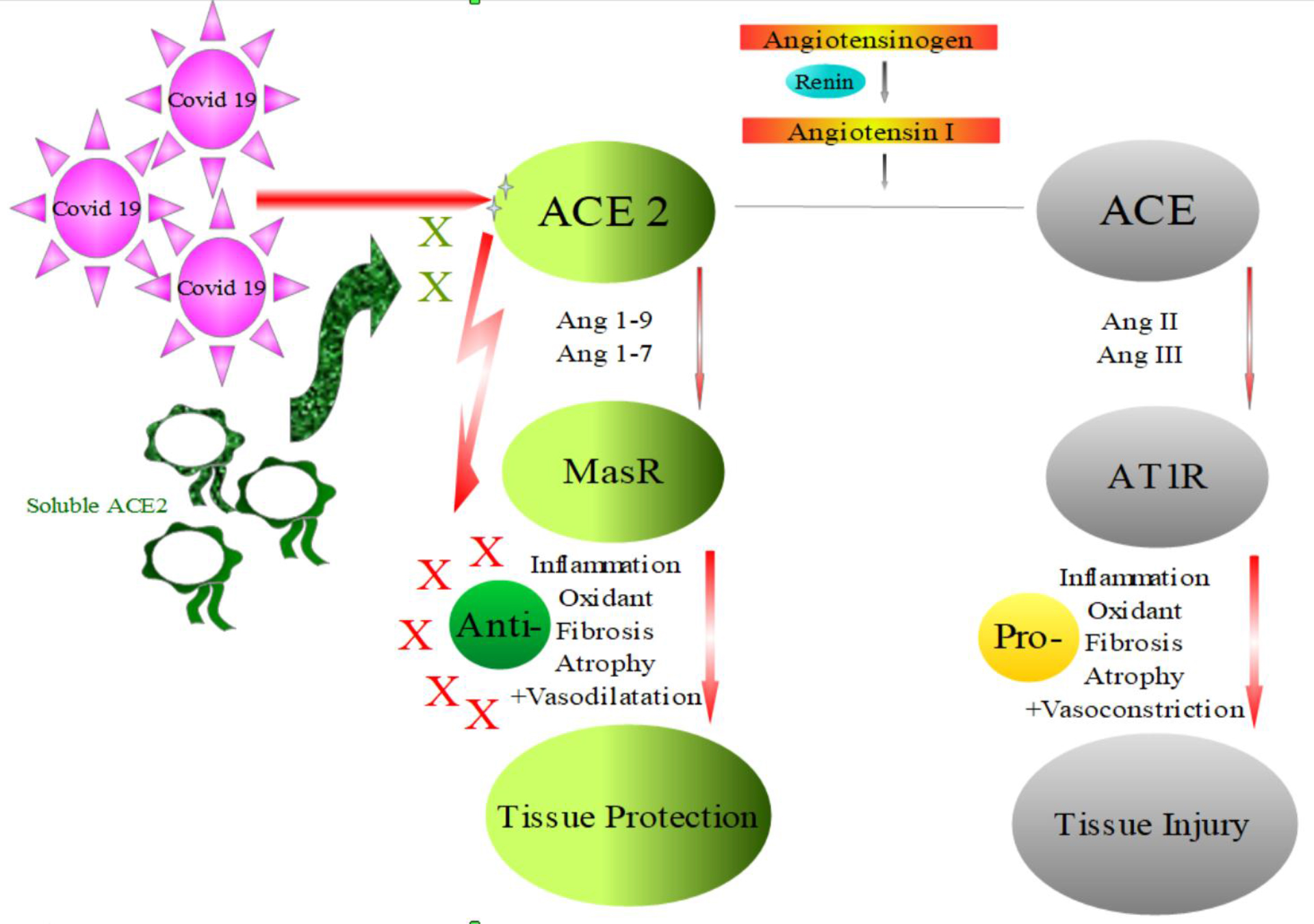
Figure 2: SARS-CoV-2 interaction with ACE2 inhibits the protective cascade.
GSK2586881 is a rh-ACE2 that has been studied in Phase I trials few years ago for potential lung protection. Further investigations in Phase II trials confirmed its safety, the ability of significantly increase the levels of Ang1-7 and Ang1-5, as well as a tendency to decrease IL6 levels in plasma.
Crit Care. 2017 ;21(1):234
MSAM for medical consultations recommend further investigations in these directions
Follow us for more updates: https://www.facebook.com/MSAM-for-medical-consultations-110157853946961